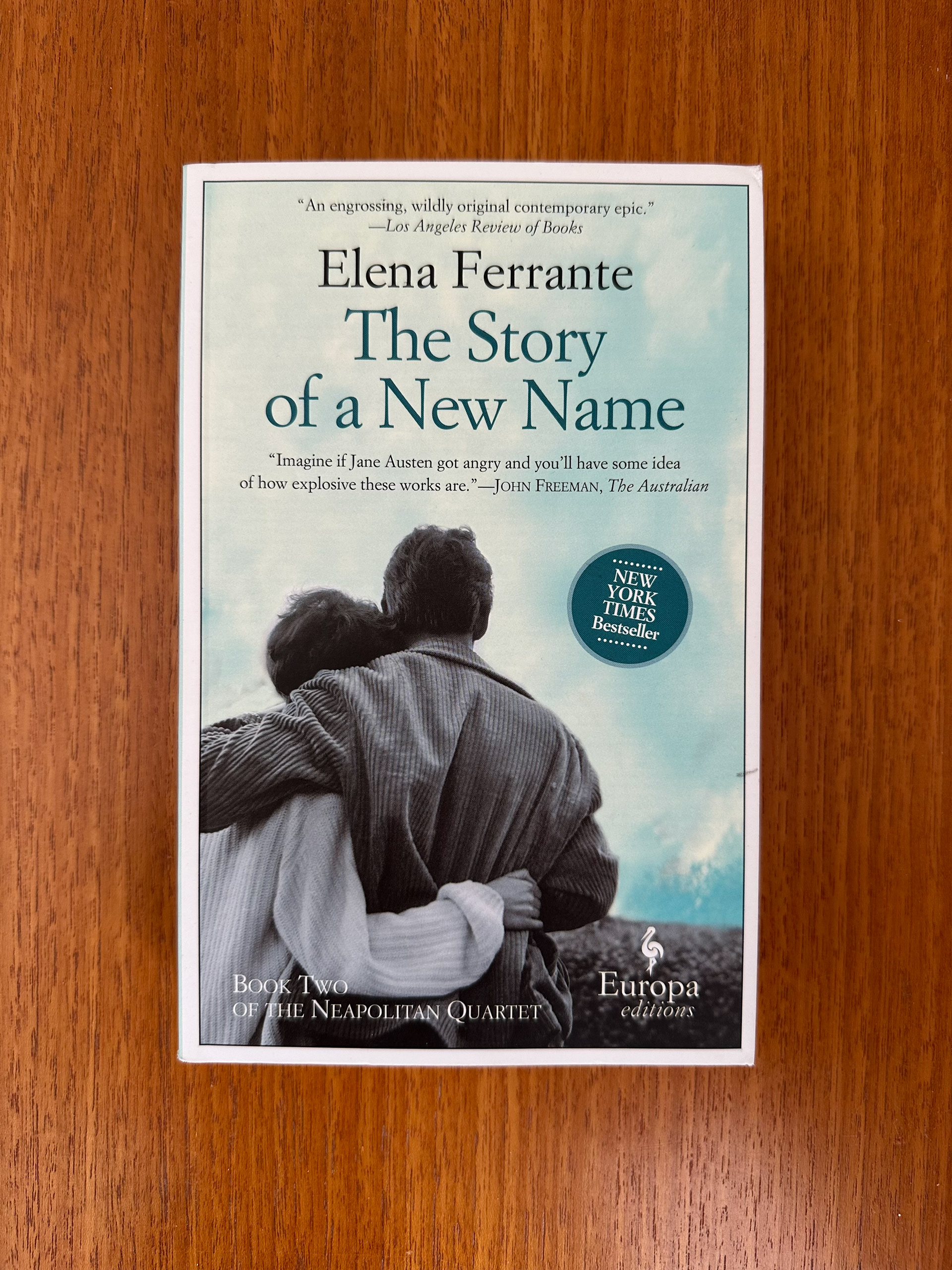
The Story of a New Name by Elena Ferrante
Friendship between the main characters Lila and Lenuccia (Lenù) in Book Two of Elena Ferrante's Neapolitan Quartet, is charged with love, support and empathy, but also jealousy, honesty and determination to gain independence from each other. There is so much truth, but also sadness in the way Ferrante shows us the intertwined minds and ambitions of close friends. They are really very sibling-like in the way they are presented.
The context of Naples and its troubled poverty pushes the story to extremes, since every single one of Ferrante's Neapolitan characters is in need of fighting their way upwards from their social standing in the world. Breaking away from one's social class and embarrassment or discomfort for one's family is, I dare to argue, a common feeling amongst most. It is perhaps most recognised during childhood, but it does continue and this is what we see in this novel, where Lenù plays backwards and forwards with regards to her education, but eventually is able to break away to study away from Naples, to mix with others from a higher social status in Milan and Pisa and ultimately to feel a break from her past. The intensity of Ferrante's setting and people is violently explosive though.
For Elena (Lenù) some of the saddest chapters are towards the end of the novel when she returns to her hometown and reconnects with Lila and her parents and siblings, finding her disconnection is now a heartbreaking fixed layer to her identity that she cannot escape from.
The character of Lila is so tough, sometimes labelled as vulgar and common but she is a true victim of the poverty presented in this part of Italy. Marriage imprisons her at the age of fifteen, domestic abuse entails, and a desperation for her reputation and social status to save her instead breaks her, over and over. Her character's choices hurt Lenù many times, but also show a determination to accept her lack of education subservience. Even though her actions consistently belittle, and threaten to break the relationship between the two girls, Lila is presented through Elena's point-of-view, Lila's lifelong friend who will always adore and envy her.
My nonna was Italian, from Naples, il Vomero, and we used to visit my great-aunt and family there when we travelled from England to Italy for our holidays. My nonna married my grandad, from Manchester, England and after the war moved to live in England. She loved those annual camping holidays of 6 weeks or more spent in her beloved Italy. My nonna, her Italian family and ours have a whole host of our own stories.
Reading Elena Ferrante is one of my favourite, yet emotive experiences.
review by Christina Francis-Gilbert
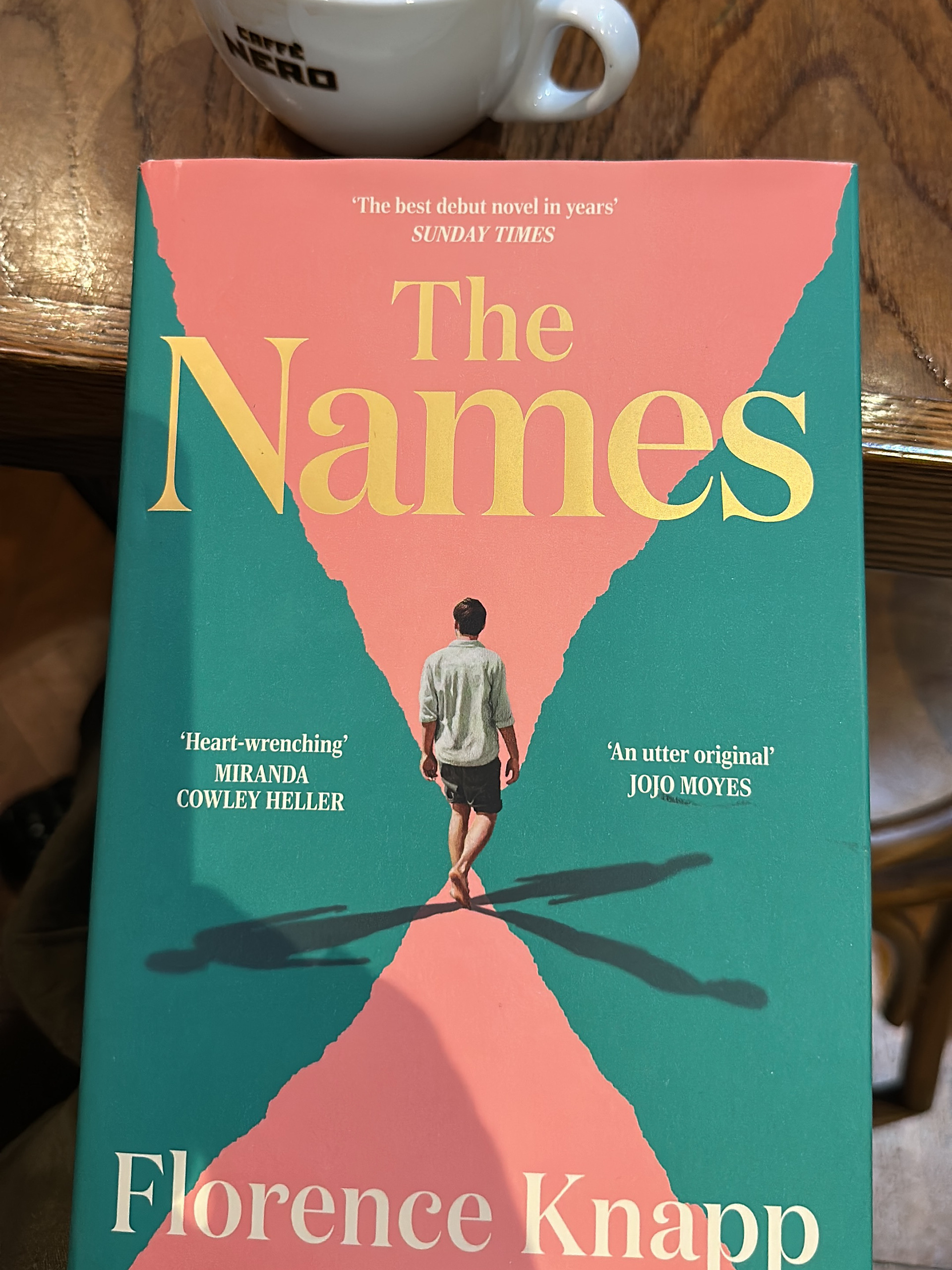
The Names by Florence Knapp
I knew Florence Knapp's novel was coming and was likely to be huge when I was thinking about a date in which to establish my current work-in-progress. I had read a Guardian article 'Weathering Heights' by Phil Tinline about key dates and events that would be recognised by British readers as significant, leading on from reading about Maggie O'Farrell's novel Instructions for a Heatwave set during the heatwave of 1978, which was incidentally also used by Ian McEwan in The Cement Garden. The other event mentioned as a common metaphor or backdrop in literary narratives was the 1987 hurricane, the Great Storm that hit Britain when I was seven. I remember it! I know that A.S. Byatt wrote about it in her classic novel Possession. All of these novels and novelists speak to me and have been my favourites since I truly became an avid reader of adult fiction, as a teen.
The Names opens on the night of aforementioned 1987 storm. The power of using that unsettling weather incident from our past is strong in the novel. Its author Florence Knapp is also from the same place where I grew up. She lives outside of London, she posts pictures of her country garden in Kent, the urban foxes that visit her and she has made paper pattern quilting and her books linked with the V&A museum and Liberty fabrics her wonderful craft.
This novel is achingly sad though. Its structure is excellent, giving the reader three alternate possibilities for how the protagonist Cora's life might proceed, following the incident of registering the name of her second child.
One storyline is full of sweetness with Cora welcoming the suggestion of Bear from her older daughter Maia. In this story, the child is full of fun, vitality and natural energy, supported and protected by his older sister.
The second narrative gives Cora's decision to register her son with the name she likes: Julian. He is vulnerable, like his mother, but still holds his own, yet unable to help his mother break away from her tragedy.
Finally, Cora follows the directive from her controlling husband who commanded her to register their son with his family name of Gordon, following tradition. The poor boy, following in his father's footsteps cannot help but fall into the nastiness he has inherited from his past.
The novel jumps in seven year installments, each of the three narratives continuing with the focus on Cora and her devastating homelife that she is subjected to by her husband, what may have happened if she escaped from his hold and what happens to the children in her absence.
It is a heavy read and heart-piercing when you realise how the pain and resilience and tragic circumstances of individuals like Cora echo, without escape. Each of the storylines is troubling for her.
The domestic abuse scenes were harrowing for me. I found this book to be a whole lot of emotional sadness, but overall Florence Knapp is an excellent writer and I will be a regular reader of anything she publishes from now on. A brilliant debut. And of course chosen by Jenna Bush Hager as one of her Read With Jenna picks.
review by Christina Francis-Gilbert
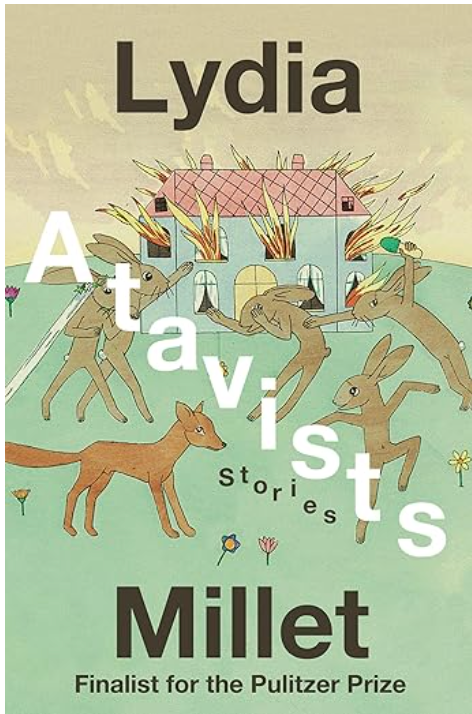
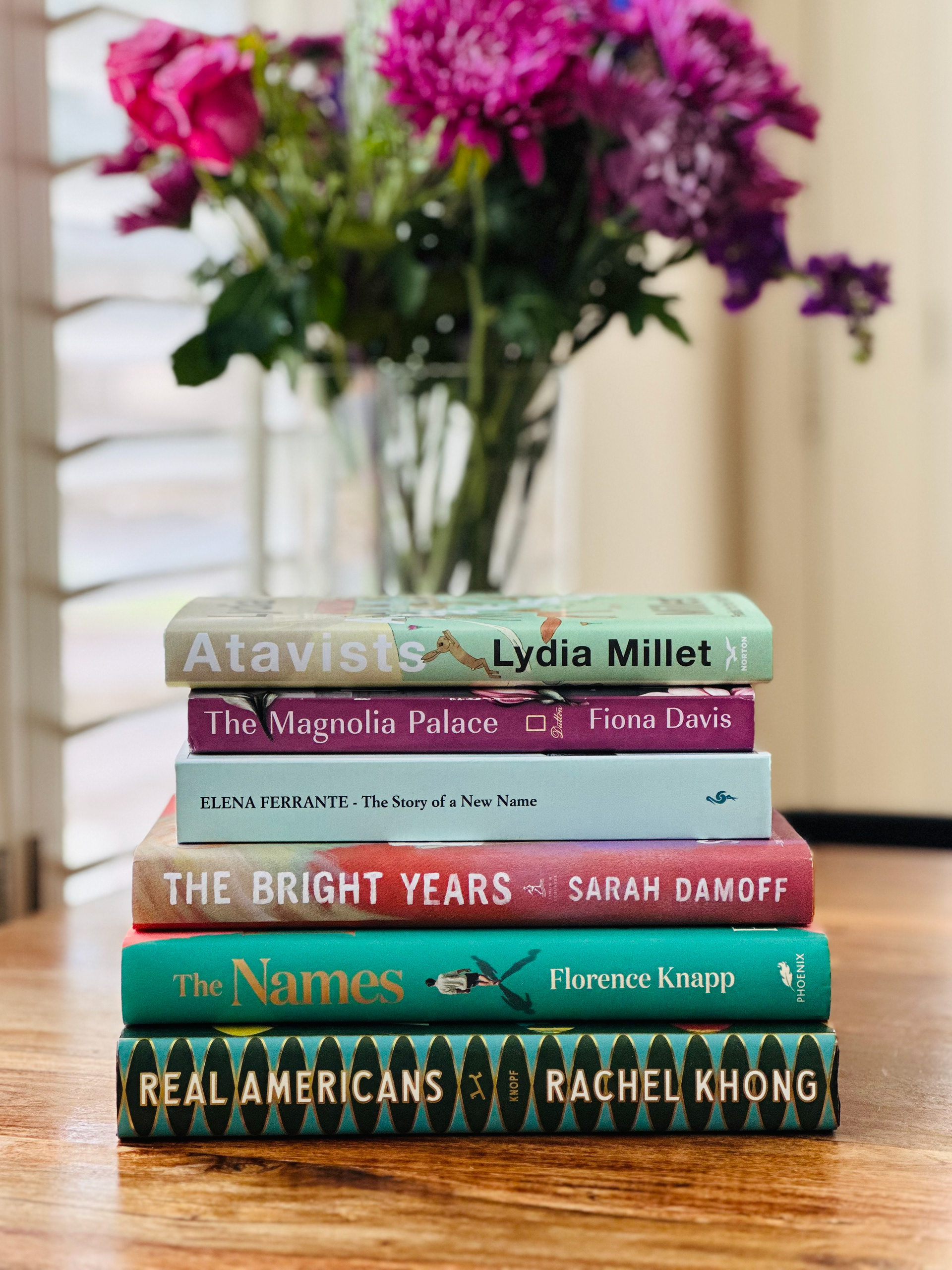
Atavists by Lydia Millet
'The word atavism, coined by a botanist and popularized by a criminologist, refers to the resurfacing of a primitive evolutionary trait or urge in a modern being. This inventive collection from Lydia Millet offers overlapping tales or urges ranging from rage to jealousy to yearning - a fluent triumph in storytelling, rich in ideas and emotions both petty and grand.
I'm enjoying getting back into reading a few short stories. A weird collection so think I'm going to love the unique perspectives and variety of characters.
#readabitofeverything #atavists #lydiamillet #literaryfiction #shortstories #shortstorycollection #nortonpublishers #norton #pulitzerprizefinalist #steveattardo #wwnortonandcompany #shortfiction #currentlyreading
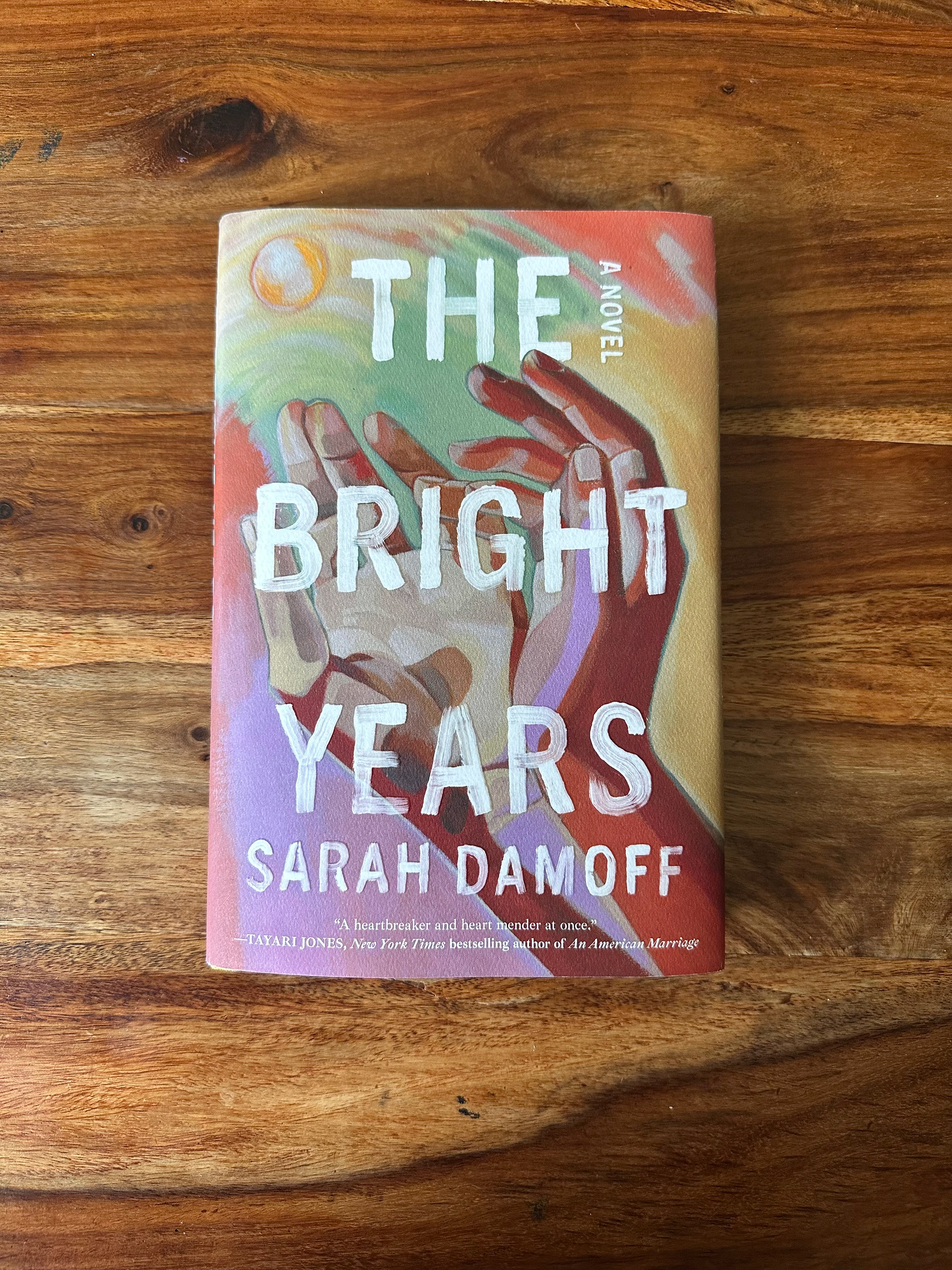
The Bright Years by Sarah Damoff
I first heard of Sarah Damoff and her debut novel The Bright Years when she was interviewed by Bianca Marais in her April 24th podcast episode. Sarah's words about choosing to include a 1958 prologue for her character Ryan intrigued me and I jumped to buy a copy.
Told from three intimate points of view, each is charged with emotions in response to the mix of tragic and tender life events experienced by the Bright family between the years of 1979 and 2019.
Lillian – Georgette (Jet) – Ryan
Incredible braiding together of lives impacted in various different ways by the enduring nature of addiction in a family (in this case alcoholism).
In spite of the sadness and grief-ridden moments of the story (all honest representations of losing family members, coming-of-age, parenting and powerful relationship patterns), this novel shows love in an achingly beautiful way.
Young Ryan is a character you will love and his relationship with his mother, who leaves his abusive, alcoholic father in 1958, is one the reader will treasure as the rest of the novel unfolds. Elise becomes Lillian's mother-in-law and it is Lillian's voice we hear in the first narrative section of the novel as she relays her meeting with the adult Ryan, their charming and hopeful connection, marriage and movement into parenting.
The Bright Years is a perfect title and I love the front cover of this novel. It sets up for an intriguing, sparkling and hopeful story. The secret that emerge in Lillian's revelation that she had a child before Ryan and gave him up for adoption triggers another secret uncovered in Ryan, who has to make brave choices regarding the fact he has become an aggressive alcoholic, just like his father.
The middle of the novel shifts to Lillian and Ryan's daughter Georgette 's (known as Jet) perspective. She gives a younger viewpoint on her parents as well as her relationship with Kendi and his mother Shauna, who is Lillian's best friend.
Finally, we hear from Ryan.
Including his voice is masterful on Damoff's part, and I can imagine that those in the midst of tragic addiction experiences like the ones presented here will find the varied perspectives soul-crunching but nevertheless sensitive to the truth.
I truly loved this novel; its structure, its writing, its author background, its premise, its characters, its relationships, its settings in Texas and Tennessee, and its layers of story.
review by Christina Francis-Gilbert
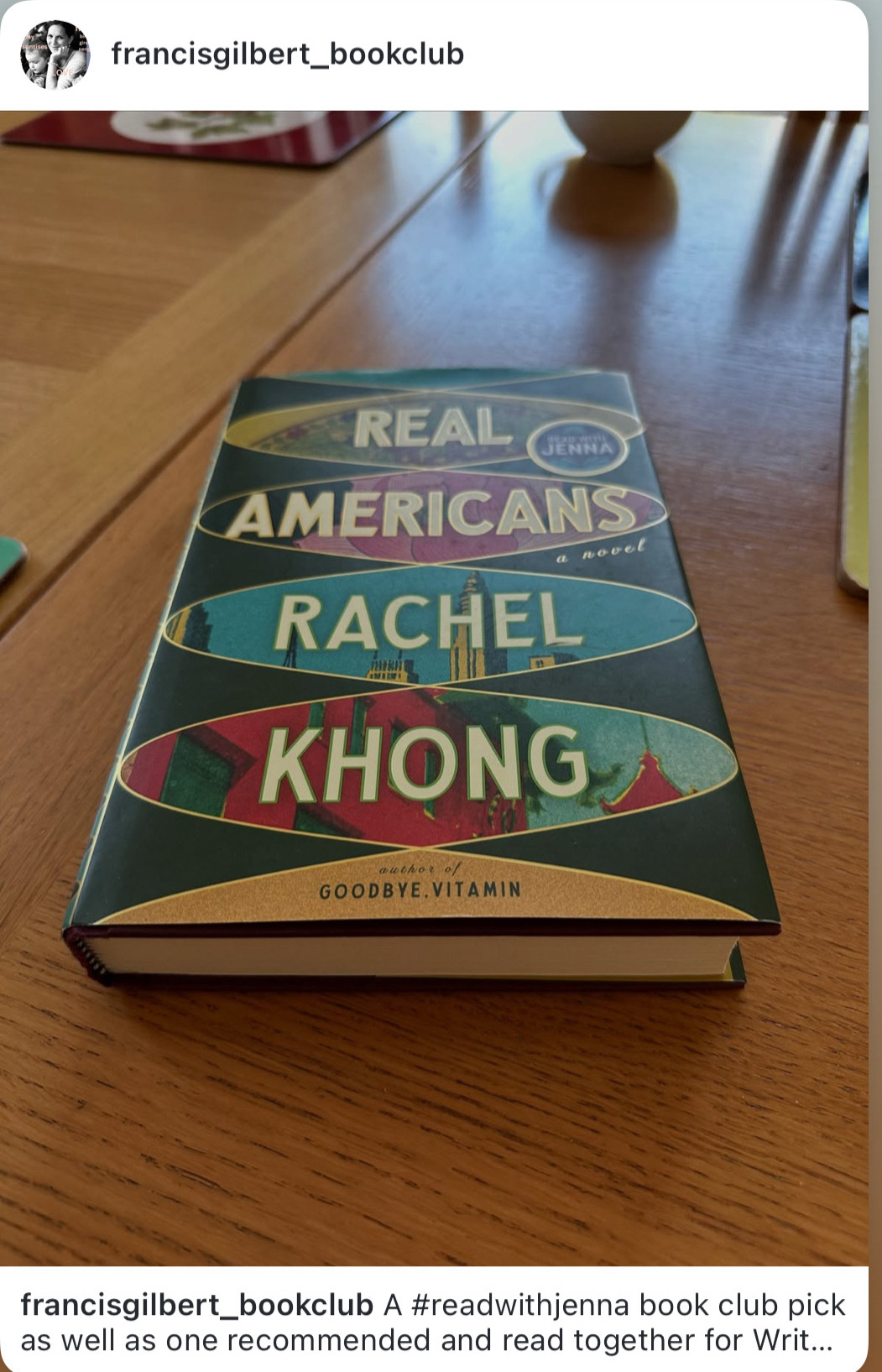
Real Americans by Rachel Khong
A #readwithjenna book club pick as well as one recommended and read together for Writers' book club with #lidijahilje a few months ago, which I missed.
I'm enjoying it and final section is keeping me held in the story. It's three different narratives, one after the other, which is interesting. A great title to be reading at the moment, especially when you think it may not be a title immediately recognised over in Europe.
.. a grand novel that explores the American psyche, dramatizing the fundamental American belief in the ability to change the world and improve humanity.
Rachel Khong shows infinite and colorful perceptions of the world, which are often leavened with wisdom! На Jin
'...both a tender story of the intimate relationships between people and a sharp examination of very big questions of ethics, politics, and fate! Rumaan Alam
'...a mesmerizing multigenerational novel about privilege, identity, and the illusion of the American dream! Brit Bennett
#bookreviews #bookreview #bookreviewcomingsoon #bookreviewing #readingcommunity #readabitofeverything #realamericans #rachelkhong #rumaanalam #britbennett #hajin #americanidentity
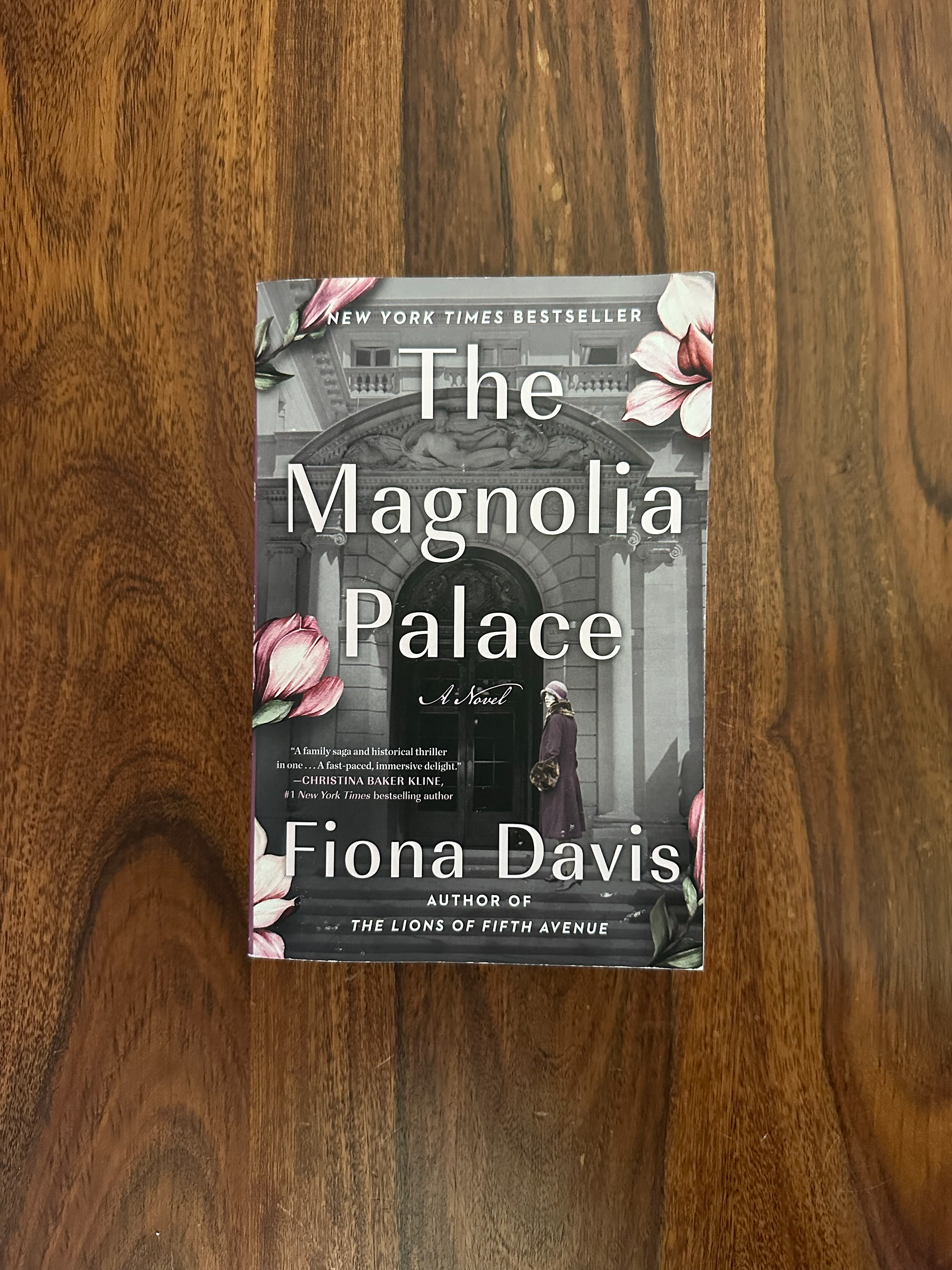
The Magnolia Palace by Fiona Davis
New York's impressive Gilded Age and a luxurious city mansion is where the multiple timelines come together in Fiona Davis' enchanting historical fiction.
One of the timelines sets the reader alongside Lillian Carter, an artists' model in 1919, who has posed nude for many statues that are positioned around New York City in places like the Plaza Hotel and the Brooklyn Bridge, as well as within its wealthy houses. She has lost her mother to the Spanish flu and she is young but when she is mistakenly taken on at the Frick mansion, she becomes the private secretary to Miss Helen, the daughter of industrialist and art patron Henry Clay Frick. All that you would expect with hidden jewels, family drama, mysteries about past relationships and the significance of the time and place are intertwined around the mystery of the Magnolia Diamond.
In 1966, we meet Veronica Weber, who is a model and seeking to boost her career and earn money to support her family and twin sister who is living in care. This storyline takes us to the former Frick residence, now a museum where she connects with art curator Joshua and they end up on a journey of exploration to seek out the truth about stories of murder and mystery from the Frick mansion and its family.
What works so well in this historical fiction genre is how Davis tells us so much about the architecture and the sense of place in the times she chooses to set her stories. The authentic descriptions of buildings and the intricate details that transport us to different times are so important for me and in this novel, it is beautifully done.
Great for book club with its Reading Group Guide in the back. A thrilling family saga.
review by Christina Francis-Gilbert